
7 Ways Interior Design Can Help Improve Air Quality
Written by AD&V®
ABOUT THE AUTHOR | AD&V® is dedicated to advanced and energy-efficient sustainable architecture & interior design that enhances people’s experience of the world and improves their lives.
THE SPACES WE INHABIT EVERY DAY HAVE A DIRECT IMPACT ON HOW WE FEEL, FUNCTION, AND BREATHE.
Indoor air quality (IAQ) plays a critical role in occupant health, comfort, and productivity, and interior design has the power to significantly improve it. Since we spend nearly 90% of our time indoors, the air inside our homes, workplaces, and shared spaces can be significantly more polluted than outdoor air. Poor indoor air quality has been linked to respiratory issues, allergies, headaches, fatigue, and reduced cognitive performance.
Designing interiors that support clean, healthy air isn’t just a wellness upgrade; it’s a fundamental responsibility to the people who inhabit these spaces every day.
At AD&V®, we believe that purposeful design considers human well‑being at every level. Here are seven ways thoughtful interior design strategies can help improve indoor air quality and create healthier spaces.
1. SELECTING LOW VOC MATERIALS & FINISHES
Many conventional paints, adhesives, sealants, flooring, and furnishings emit volatile organic compounds (VOCs), which can contribute to headaches, respiratory irritation, and long-term health issues. Interior designers play a key role in reducing these pollutants by specifying low-VOC or zero-VOC alternatives.
Using healthier paints, coatings, and finishes minimizes off-gassing. It helps maintain cleaner indoor air, especially in homes, workplaces, schools, and healthcare environments where occupants spend long periods of time indoors.
2. PRIORITIZING PROPER VENTILATION THROUGH DESIGN
While mechanical systems do much of the heavy lifting, interior design decisions can support effective ventilation. Thoughtful space planning ensures that air can circulate freely and that vents, returns, and diffusers aren’t blocked by furniture or partitions.
Designing layouts that complement HVAC systems and integrating operable windows or passive ventilation strategies helps bring in fresh air and reduce the buildup of indoor pollutants.
3. CHOOSING FLOORING THAT TRAPS FEWER POLLUTANTS
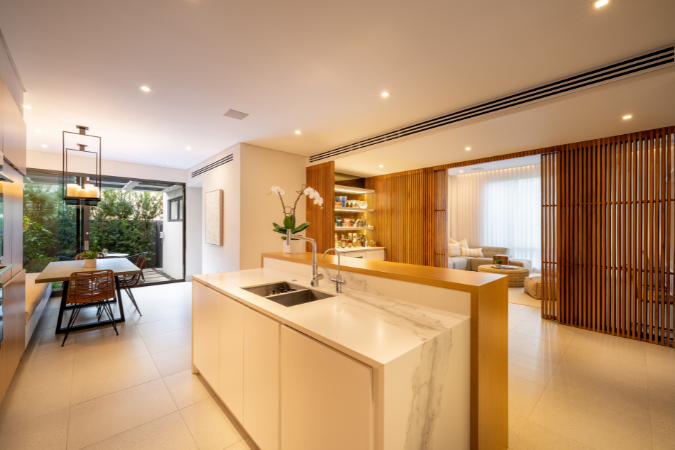
Flooring materials have a major impact on air quality. Carpets, while comfortable, can trap dust, allergens, and other contaminants if not carefully selected and maintained. Designers can specify low-emission carpets, carpet tiles with breathable backing, or hard surface flooring options such as wood, tile, terrazzo, or polished concrete.
In high traffic or sensitive environments, these choices can significantly reduce airborne particles and improve overall cleanliness.
4. INTEGRATING BIOPHILIC DESIGN ELEMENTS
Biophilic design—connecting people to nature within the built environment—goes beyond visual appeal. Strategically placed indoor plants can help filter certain airborne pollutants while also improving humidity levels and enhancing mental well‑being.
Beyond plants, biophilic strategies include natural materials, organic forms, and visual connections to the outdoors, all of which contribute to healthier and more restorative interior environments.
5. DESIGNING FOR EASY CLEANING & MAINTENANCE
A well-designed space makes cleaning easier and more effective. Interior designers can specify materials and finishes that resist dust accumulation, mold growth, and moisture retention, which are common contributors to poor air quality.
Seamless surfaces, moisture-resistant materials in kitchens and bathrooms, and well-designed storage solutions all help reduce clutter and dust buildup, supporting healthier indoor environments over time.

6. MANAGING MOISTURE TO PREVENT MOLD GROWTH
Excess moisture is one of the biggest threats to indoor air quality. Interior design plays a critical role in managing moisture through proper material selection, detailing, and layout decisions.
Designers can specify moisture-resistant finishes, ensure adequate ventilation in wet areas, and design transitions that prevent water infiltration. By proactively addressing moisture, interiors are better protected against mold and mildew—both of which can severely impact air quality and occupant health.
7. SUPPORTING OCCUPANT COMFORT & WELL-BEING
Air quality isn’t just about what’s in the air; it’s also about how occupants experience a space. Interior design influences thermal comfort, acoustics, lighting, and spatial flow, all of which affect how people perceive air quality.
When occupants feel comfortable, calm, and supported by their environment, spaces function better and promote overall well-being. Healthy interiors are not accidental—they’re the result of intentional, human-centered design.
DESIGNING HEALTHIER SPACES
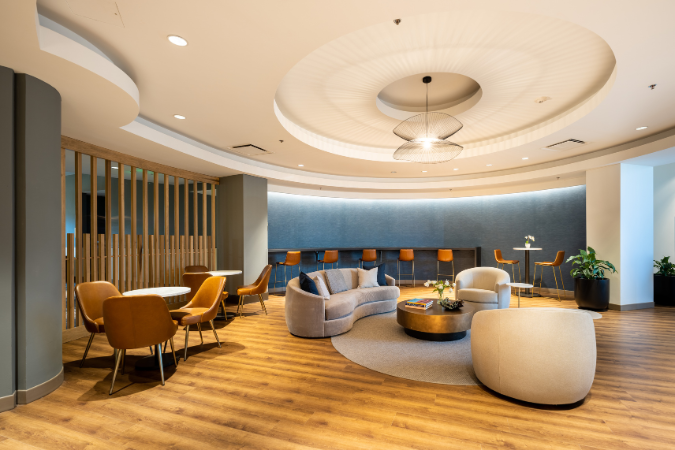
Improving indoor air quality is a shared responsibility between architecture, engineering, and interior design, but interior designers are uniquely positioned to influence daily human experiences at a personal scale. Through material choices, layout decisions, and a commitment to wellness, interior design can actively support healthier air and healthier lives.
At AD&V®, we approach interior design as a tool for positive impact—creating spaces that are not only beautiful, but also healthier, more resilient, and deeply responsive to the people who use them.
FURTHER READING: NEW YEAR, NEW SPACE: 7 INTERIOR DESIGN TRENDS FOR 2026