
Density with Dignity: 9 Reasons to Rethink How We Plan High-Density Communities
Written by AD&V®
ABOUT THE AUTHOR | AD&V® is dedicated to advanced and energy-efficient sustainable architecture & interior design that enhances people’s experience of the world and improves their lives.
DENSITY IS OFTEN DISCUSSED IN TECHNICAL TERMS—UNIT COUNTS, FLOOR AREA RATIOS, AND HEIGHT LIMITS. BUT CITIES ARE NOT SPREADSHEETS. THEY ARE LIVED ENVIRONMENTS SHAPED BY HOW PEOPLE MOVE, GATHER, REST, AND CONNECT EVERY DAY.
As cities grow and land becomes more constrained, higher-density development becomes more common. What truly matters is how that density is thoughtfully planned.
At AD&V®, we believe density with dignity means prioritizing people, public space, and context.
Below are nine key reasons to rethink how we plan high-density communities, and how thoughtful urban design can transform density from a challenge into an opportunity.
REASON #1: DENSITY IS A TOOL, NOT THE GOAL
Density itself is neither inherently good nor bad. Its value depends entirely on the purpose it serves. When planned intentionally, density can support public transit, strengthen local economies, and make services more accessible.
When handled without care, however, density can result in congestion, fragmented communities, and diminished quality of life. The success of density should never be measured by numbers alone, but by how well it responds to human needs and improves daily life for residents.
REASON #2: DIGNITY MUST BE DESIGNED IN
Dignity in urban design is experienced in everyday moments—walking home at night, accessing daylight and fresh air, finding a place to sit comfortably, or navigating a space that is welcoming to people of all ages and abilities.
In high-density environments, these experiences do not happen by accident. Dignity must be intentionally embedded in planning decisions, material choices, spatial layouts, and long-term management. Without that intention, density can quickly become dehumanizing rather than empowering.
REASON #3: PUBLIC SPACE IS ESSENTIAL IN DENSE COMMUNITIES
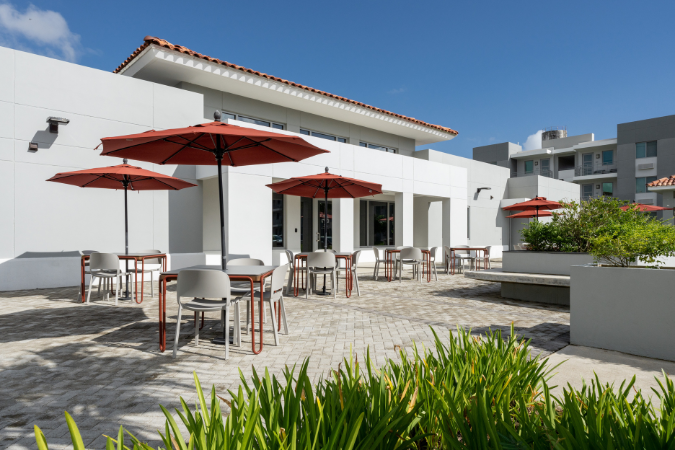
As private living spaces become more compact, public spaces take on a critical role in supporting quality of life. High-density communities rely on accessible, well-designed public spaces to provide relief, connection, and opportunity for social interaction.
Parks, plazas, courtyards, and streets designed for everyday use, complete with shade, seating, safety, and maintenance, serve as the communal living rooms of dense neighborhoods. Without these spaces, density loses its balance and becomes restrictive rather than enriching.
REASON #4: PEOPLE EXPERIENCE DENSITY AT THE HUMAN SCALE
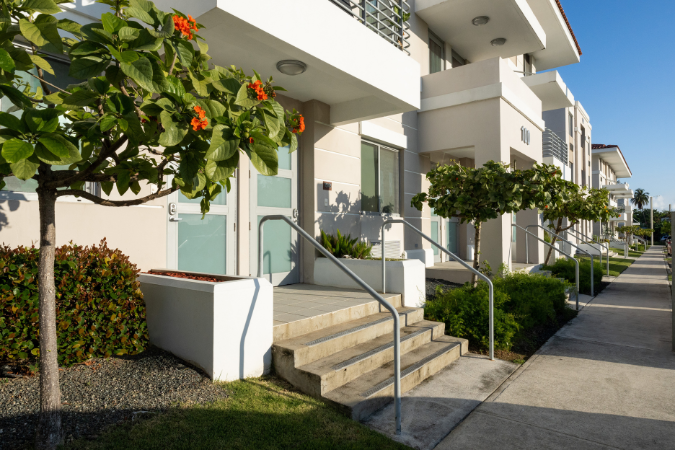
Residents do not experience density from an aerial diagram or zoning map. They experience it at street level—in lobbies, hallways, sidewalks, courtyards, and shared spaces.
Human-scaled design elements such as varied building massing, step-backs, active ground floors, and clear transitions between public and private realms are essential to making dense places feel approachable and comfortable. When planning prioritizes these experiences, density feels livable and engaging instead of overwhelming.
REASON #5: STREETS SHOULD CONNECT, NOT CONSTRAIN
In dense environments, streets are more than conduits for vehicles; they are the foundation of public life. A dignified approach to density prioritizes micromobility to create walkable, safe, and inclusive streets that accommodate pedestrians, cyclists, transit riders, and drivers alike.
When streets are designed solely for cars, they often divide communities and discourage interaction. When they are designed for people, streets become connectors—linking homes to jobs, services, public spaces, and each other.
REASON #6: DENSITY CAN ADVANCE HOUSING EQUITY IF PLANNED INTENTIONALLY
Density offers an opportunity to expand access to housing, but equity does not automatically follow increased supply. Without intentional planning, dense development can accelerate displacement and deepen inequality.
Dignified density prioritizes mixed-income communities, proximity to essential services, and policies that protect existing residents. When density is paired with equitable planning strategies, it can help create more inclusive communities where opportunity is shared rather than concentrated.
REASON #7: CONTEXT MAKES OR BREAKS HIGH-DENSITY DESIGN
There is no universal formula for successful density. Climate, culture, history, and patterns of daily life all shape how dense environments should be planned. A solution that works in one city or neighborhood may feel out of place—or even harmful—in another.
Designing with dignity means responding to local context through appropriate scale, materials, architectural language, and spatial organization. Density is most successful when it feels rooted, familiar, and reflective of the people who live there.
REASON #8: COLLABORATION IS THE FOUNDATION OF LASTING DENSITY
High-density communities require alignment across many stakeholders, including municipalities, designers, developers, infrastructure providers, and residents. When these groups work in silos, dense projects often fall short of their potential.
Meaningful collaboration, especially early community engagement, brings local knowledge into the design process and builds trust. Treating engagement as a design tool rather than a formality leads to more resilient, functional, and widely supported outcomes.
REASON #9: DENSITY DONE RIGHT IMPROVES QUALITY OF LIFE
When dignity guides density, the benefits extend far beyond the built form. Well-planned dense communities support stronger social connections, healthier lifestyles, economic vitality, and more efficient infrastructure.
They foster a sense of belonging and pride, proving that density does not have to come at the expense of comfort or identity. Instead, it can become a catalyst for thriving, connected urban life.
PLANNING DENSITY WITH PURPOSE
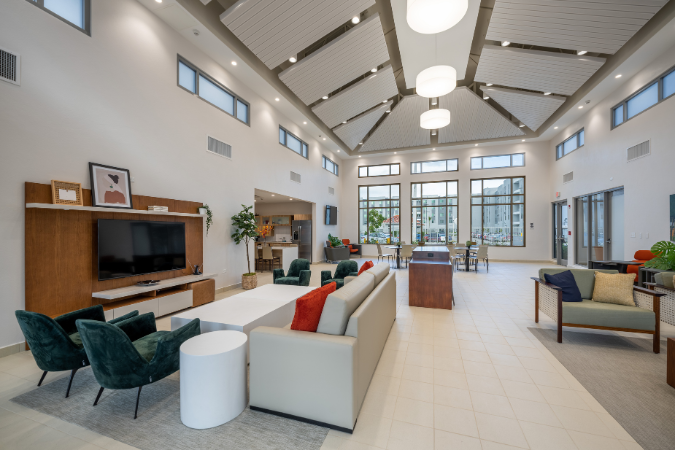
Density is inevitable as cities grow. The real choice lies in whether we view it as a constraint or an opportunity to design better places.
When growth is guided by empathy, context, and purpose, high-density environments can become some of the most equitable, resilient, and joyful places to live. That's why designing density well isn’t just smart planning, it’s a responsibility.
FURTHER READING: 6 WAYS MIXED-USE DEVELOPMENTS CAN CREATE MORE RESILIENT CITIES