
5 Reasons Hospitality Design is Shaping Connection & Community
Written by AD&V®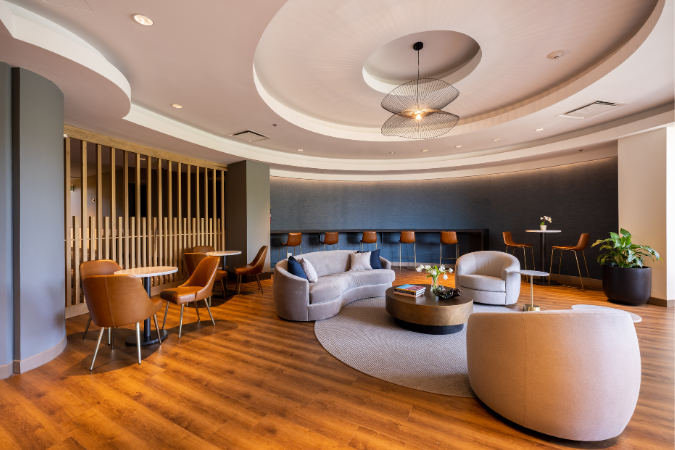
ABOUT THE AUTHOR | AD&V® is dedicated to advanced and energy-efficient sustainable architecture & interior design that enhances people’s experience of the world and improves their lives.
HOTELS ARE NO LONGER DEFINED SOLELY BY WHERE PEOPLE SLEEP, BUT BY HOW GUESTS ARE BROUGHT TOGETHER BY LOCAL CULTURE, COMMUNITY, AND PLACE.
As these expectations shift, design plays an increasingly important role in shaping human interaction and community.
At AD&V®, we see the future of hospitality grounded in purpose. Through intentional design, hotels can become social anchors, cultural platforms, and places that foster genuine connection. Here are five reasons hospitality design is shaping connection and community:
1. HOTELS ARE BECOMING PLACES TO GATHER
Traditionally, hotel public spaces were designed for efficiency. Lobbies were transitional. Lounges were secondary. Interaction was incidental.
Today, the most successful hospitality environments are designed as places to gather. Lobbies function as living rooms. Restaurants and bars act as social hubs. Outdoor spaces become extensions of daily life.
These areas are intentionally designed to invite people in, encourage them to linger, and make them feel welcome—whether they are overnight guests or members of the surrounding community.
2. COMMUNITY HAS BECOME A CORE AMENITY
Guests are increasingly drawn to environments that feel authentic and have a sense of place. They want hotels that reflect local culture, support neighborhood activity, and invite meaningful engagement beyond the guest room.
Design strategies that support this shift include:
Ground-floor spaces that engage the street and welcome the public
Flexible layouts that support events, pop-ups, and cultural programming
Integration of local art, materials, and craftsmanship
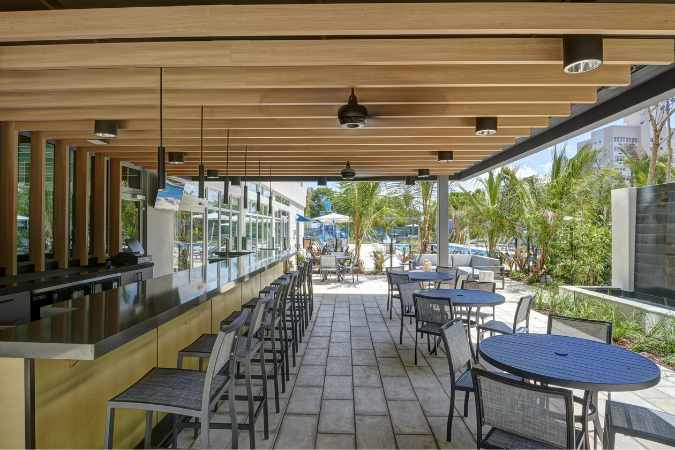
Indoor-outdoor spaces that respond to climate and lifestyle
In this approach, community is not an afterthought; it's embedded in the architecture and interior design from the outset.
3. FLEXIBLE SPACES ENCOURAGE NATURAL INTERACTION
Connection emerges naturally when spaces are designed to adapt to different uses, people, and moments throughout the day. A single space may serve multiple purposes, for example:
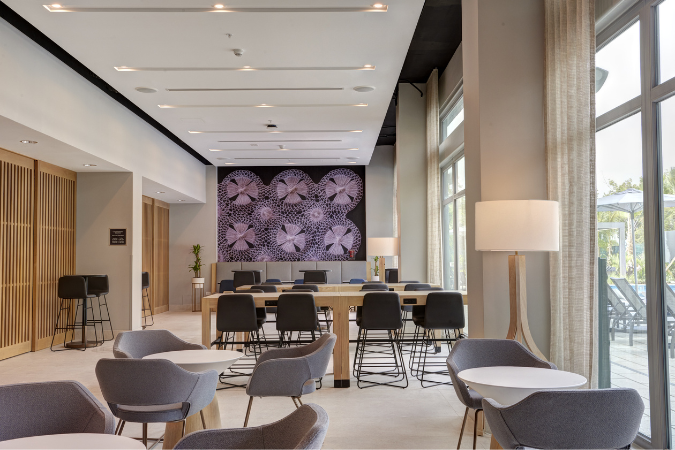
A lobby that functions as a coworking environment by day and a social lounge by night
A café that hosts informal meetings, cultural events, or live music
Outdoor areas that transition from quiet retreat to active gathering space
Designing for flexibility means embracing adaptable layouts, modular furniture, layered lighting, and thoughtful spatial planning. These elements allow spaces to respond to how people actually use them, not how they are expected to be used.
4. AUTHENTICITY RESONATES MORE THAN THEMING
Designing for connection in hospitality requires a deep understanding of context—local history, culture, climate, and craft—and translating those influences into contemporary architectural and interior expressions.
Authentic environments feel intentional rather than imposed. They foster trust, invite engagement, and create stronger emotional bonds between people and place. Rather than replicating a global aesthetic, these spaces reflect where they are and who they serve.
Authenticity in a hotel is about relevance, respect, and meaningful storytelling through design.
5. DESIGN SHAPES EMOTIONAL EXPERIENCE
The future of hospitality design recognizes that space shapes how people feel, behave, and remember their experiences.
Elements such as light, proportion, acoustics, and materiality play a critical role:
Human-scaled spaces invite interaction
Natural light supports well-being and openness
Thoughtful acoustics encourage conversation and comfort
When design prioritizes emotional experience, it creates moments guests remember long after checkout—not because they were extravagant, but because they felt genuine and human.
PURPOSEFUL HOSPITALITY DESIGN FOR A CONNECTED FUTURE
Hotels are no longer isolated destinations. They are part of a larger social, cultural, and urban ecosystem. When designed intentionally, they can strengthen community identity, support local economies, encourage cultural exchange, and create long-term value beyond guest stay. Designing for connection and community is not a passing trend—it is a response to how people want to live, travel, and relate today.
At AD&V, we believe hospitality design has the power to bring people together and create Places of Purpose®. The future belongs to hotels that are not only well designed, but deeply connected to people, culture, and place.
FURTHER READING: 5 WAYS HOSPITALITY DESIGN TRANSFORMS GUEST SLEEP